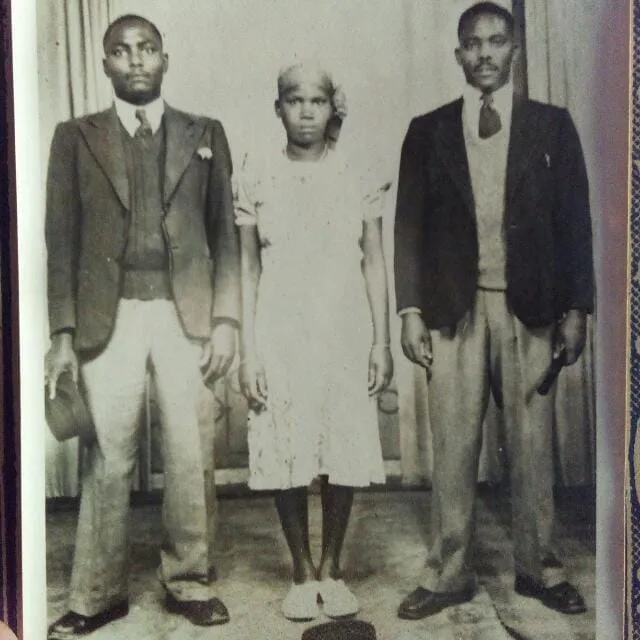
I always found my grandfather seated by the cow shed early in the morning, contemplating life, I assume. Or perhaps he loved the view of the rolling hills with tea farms. Gaithuri was, still is, a very scenic village next to the Aberdare forest. Maybe it was none of that. Maybe it was just a habit he had formed over the years and he sat there every morning subconsciously. Maybe he sat there, like other old people did, with nothing in mind. It was just his way of life, this ‘go out and touch grass’ habit, way before it became cool. But what I am sure about is that he loved his cows.
Before age grounded him to the homestead, he would go out into the forest to graze. I can still remember the soft ringing of cow bells as he, and his cows, left for the forest. I was fascinated, moreso because I was not allowed to go. Going to the forest to graze felt like this very manly thing to do. The forest, like this vast and mysterious place that I could only imagine of. I would wonder how he moved through this forest. If he ever wrestled animals wanting a piece of his cows. If he ever wielded his rúhiú rwa njora (sword) to ensure every last one came back home.
My grandfather, Wahome, was not a loud man. His radio did most of the talking. He was an ardent listener. Ever in touch with the latest developments. In fact, he was so invested that he would sleep with his radio on, a habit that irked my grandmother to the bones. I guess this was his version of doom scrolling. Simpler times. He complemented his curiousity with the Taifa Leo newspaper. I learnt this detail recently with amusement because I knew he did not go to school. It turns out he was self taught. In the colonial times, he worked as a chef and it is during this time that he learnt Kiswahili since it was the language the white man used with his employees.
I wonder what his employment life looked like during this colonial period. His work demanded that he travel around with the white man and move from hotel to hotel at some point, spending long periods of time away from home. I wonder how him and his generation experienced that transition into wage labour. This new way of life that was imposed on them that demanded they leave their homes and communities to earn the white man’s money. He was born in the 1910s, so I estimate that the generation before him had not experienced this way of life to the extent that his generation did. I wonder if Gaithuri, like many villages across the ‘white highlands’, was devoid of men and how my grandmother, and other women adjusted their lives to fit this new reality. How this generation wove their traditions together with the white man’s ways.
When he did a church wedding, my eldest uncle was his best man. My mind turns upside down every time I think about that. The photos from that wedding, hanged on the sitting room walls were always a conversation starter during family gatherings. That story reads like a myth until the photographic evidence is presented right infront of your eyes. These photos, hanged right above his favorite chair are rich in history. And that chair carries a lot of memories and stories. It is from this chair that he scrutinized his milk card and calculated his tea bonuses. In his days with the mzungu, he had learnt math from a mzungu’s son, and was very sharp at it. I can still see him, seated on that chair, next to his bedroom door, answering this and that question from his grandkids. In his last years, he would be there listening to our stories and pretending not to hear what my uncles and aunties were telling him, blaming his declining hearing.
He had a calm presence and focused attention when you sat with him one on one. Like the conversation you were having was all that mattered. In this way, he had a unique relationship with everyone. “Andú maikare mendaine,” he always said to emphasize that the family should love each other and stay united. This message endured even after his death. And when I think about him, I think about those words. I think about love, and I’m reminded I belong to a people.


Leave a Reply