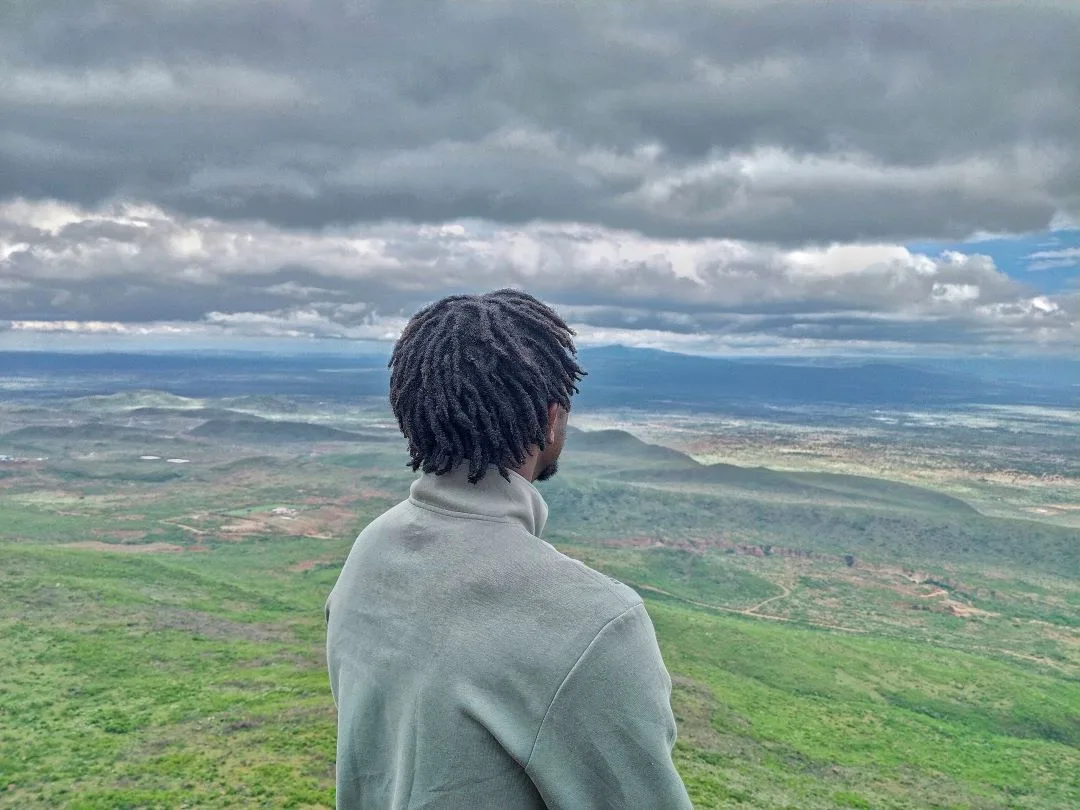
Today I got a seven shillings discount from the lady who sells me chicken. It pleased my heart. She said she allowed it because I am not in her black book of stubborn customers. But you know what would have made me happier? If she did it because of my locs.I need a return on investment on my hair. ‘Niaje Ras’ kwa kila stage is not cutting it for me anymore. It brightens my day, yes, but I need tangible benefits from society: Rasta Privilege.
I am told that locs earn you street cred. Source? Ni mimi nakushow. Analogies from lived experiences of men and women who have locked their hair. I can attest to this. Ever since I locked my, I am guaranteed at least one greeting a day from a stranger. Not too bad for a man living through a loneliness pandemic. I strokes my ego a little, I must admit. I feel like a man of good standing with society. A man accepted by the ‘ground’. Even kamageras treat me with some respect. When I ask them not to touch my bags, they respect it. I have adopted ‘Wozaa’ as a greeting of choice due to public demand, and as part of my allegiance to uphold the Ras reputation.
When I locked my hair, I walked into the office like a thief. Dashing my eyes, hoping not to run into HR. For several days, I walked with my hands in the pockets, fingers crossed that I would not be summoned. We locked eyes with HR once. I was short of breath for a minute but the length of my hair remained as is. Weeks passed and all was quiet. The dreaded encounter in corporate corridors never materialized.
While I survived corporate with my hair, I acknowledge my luck. The colonial attitudes towards African hair still persist at the workplace. Tech bros and people working in fancy VC backed offices have made it seem possible, especially for men, to have locs at the office. But this is only a small fraction of Kenyan society. Corporate aesthetics and presentability still lean towards a clean shave as the gold standard. To date, I am asked if I will shave my hair when I move to a different job. Even by my mother, who loves my hair. I wonder if she secretly says a silent prayer before she sleeps, for her son to see the light and outgrow this rebellious phase.
Locs might give you street cred, but they are just as likely to give you jail time. Young men with locked hair are picked on by the police all the time. Horrifying stories of forced shaving at a police station are common. During the protests, young men would be kidnapped and resurface shaven and traumatized. I have had stories of some who shaved because they could no longer afford bribing the police each time they were arrested for their hair. This is not new. The colonial government dreaded the hair of our freedom fighters. Beyond hair, they dreaded African-ness. Blackness.And so they designed the Kenyan state to strip us of all dignity and pride that would remind us of our identity; the police to torture us into submission, and schools to mold us into compliant and ‘presentable’ beings to people who need to exploit us with little resistance.
Locking my hair was as much about reclaiming my identity as it was about aesthetics. I did it scared. Scared of losing my ‘presentability’, or worse, opportunities for income. Scared of how I would look because I was unsure if my kisogo (I have a big one) would go well with this new style. Yet it has been a very rewarding experience. I love my hair. I love taking care of it. I love how I forget I have it, then it tickles my ears to remind me of its presence. I love it when I am called Ras in the streets. I can’t explain it, but there are unspoken words that say ‘I see you’ when that word is uttered. If no further Rasta privilege comes my way, I will cling onto that feeling. That connection to random strangers who ensure I never go a day without greetings.


Leave a Reply